
Kim Bremmer, a nationally recognized speaker from Ag Inspirations, started with a mission to inspire farmers to tell their stories, connect people to where their food comes from, and represent the great success of American agriculture today.
Kim is passionate about teaching the story of sustainable agriculture and the role of science, technology and innovation in how we grow and raise food. She has a mission to inspire farmers to tell their stories, connect people to where their food comes from, and represent the great success of American agriculture today. She is passionate about teaching the story of sustainable agriculture and the role of science, technology and innovation in how we grow and raise food.
"It's not bad to question where your food comes from, but you should base your food choices on fact not fear," Kim said. 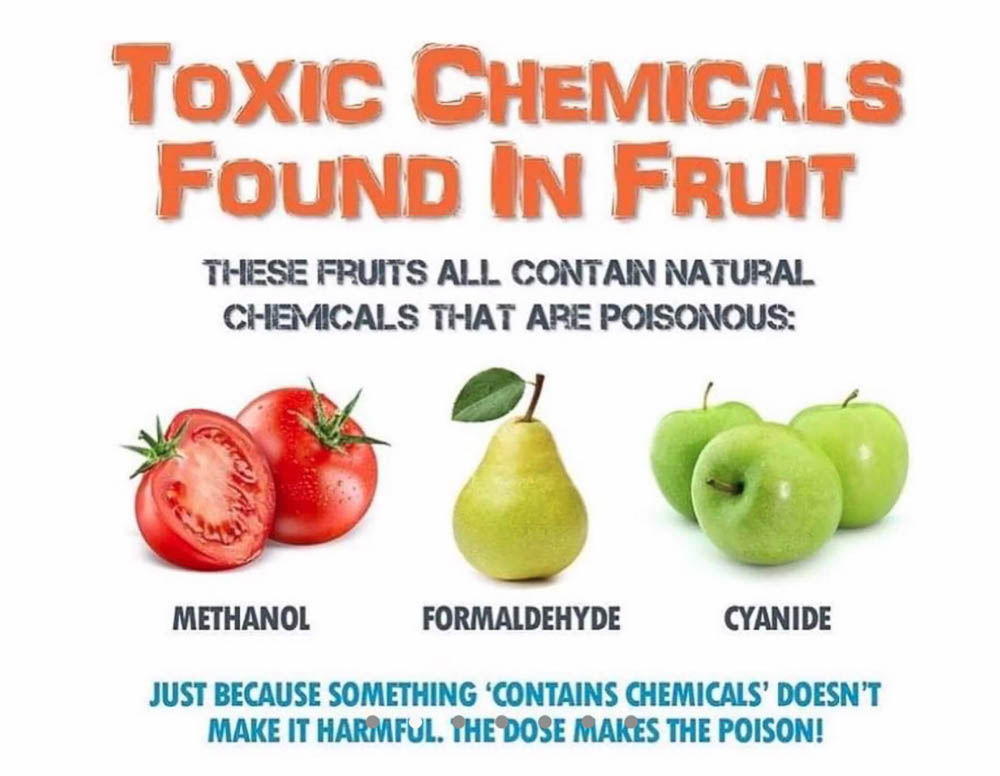
Kim covered topics like:
- The talk vs. the truth - are chemicals bad?
- The "story" of agriculture that consumers see and bias in the press
- Ag professionals like farmers and ranchers have lost their voice, and she is working to have their voices heard!
The real story includes advancements such as:
- When our grandparents were children, it took five acres of land to feed one person, whereas today it takes less than one third of an acre.
- We grow two times as much corn per acre today as our parents did, and five times as much as our grandparents did.
- Since 1944, we have increased milk production by 60 percent. That's 16.4 million fewer cows, which is the equivalent of 78 percent less feed, 65 percent less water and 90 percent less land.
- The total carbon footprint of one glass of milk has decreased by 63 percent. One cow today produces what five cows in 1944 produced.
- Compared to 1960, the production of each carton of eggs has been reduced as follows: energy use 69 percent, water use 68 percent and feed use 74 percent.
- Since 1977, U.S. cattle ranchers raise 30 percent fewer cattle, but produce 31 percent more beef for each pound of beef produced use 33 percent less land and 12 percent less water, and reduce the carbon footprint of beef production by 16 percent. The U.S. produces more than a quarter of the world's beef with less than 10 percent of the world's cattle.
- Eighty-five percent of U.S. grazing lands are unsuitable for growing crops. Grazing cattle on this land DOUBLES the area that can be used to raise food.
All of this is possible with the following: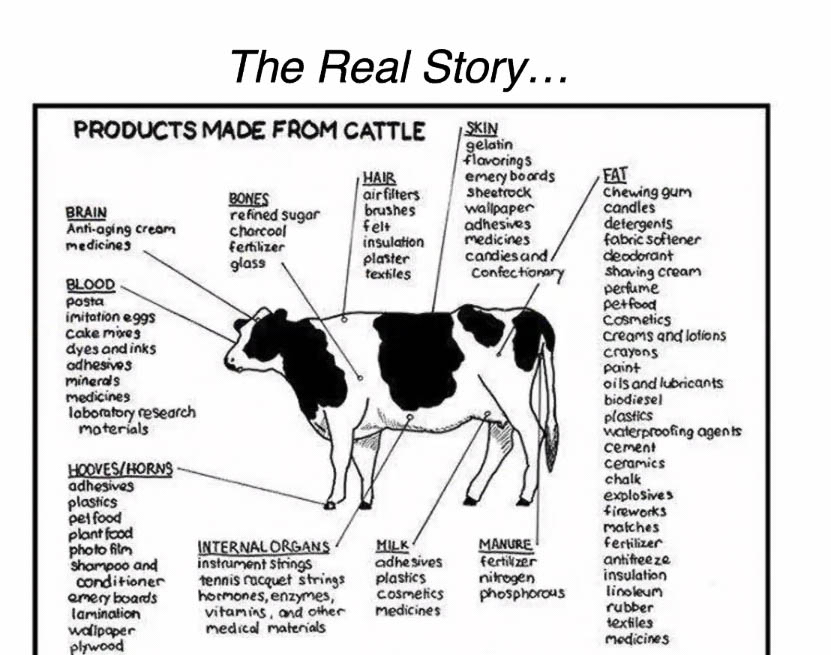
- GMOs as a tool. they prevent plant disease, control insects, manage weeds and combat drought.
- Continual improvements in crop growing practices: nutrient management plans, no till, minimum till, conservation tillage, crop rotation, cover crops, etc.
- and more. For the truth about what happens on farms, ask a farmer.
Kim emphasized the importance of finding common ground in communicating with people who are getting their information from every source BUT ag professionals. She encouraged us to learn from more than "Google university," and broaden our knowledge about farming contributions to the quality of our food - and our lives - today.
For more information, check out Ag Inspirations.